

The 10 most famous samurai: from Yoshitsune to Musashi
When looking for the most famous samurai, two things are often mixed: historical reality and legends. The word "samurai" originally referred to the aristocratic warriors of medieval Japan, then more broadly to the warrior class that dominated the country from the 12th century until the Meiji Restoration in the 19th century.
Here is a list of the samurai who are, objectively, the most famous today. This is not a ranking of notoriety; the order is not important.
1. Minamoto no Yoshitsune

⭢ Period: late Heian period, 1159-1189.
⭢ Military achievements: victories against the Taira during the Genpei War, which allowed his half-brother Minamoto no Yoritomo to establish his dominance over Japan.
⭢ History: Yoshitsune is one of the very first great military heroes in Japanese history, and undoubtedly the most romantic. A child survivor after the fall of his family, he was placed in a monastery before joining Yoritomo. At a very young age, he proved to be a brilliant warlord and achieved military success after success. But his glory quickly worried his own brother, who saw him as a potential rival. Pursued, Yoshitsune was eventually cornered in the North and died in 1189. It is this destiny of a victorious genius who was then sacrificed that made him an immense tragic hero in Japanese memory.
2. Kusunoki Masashige
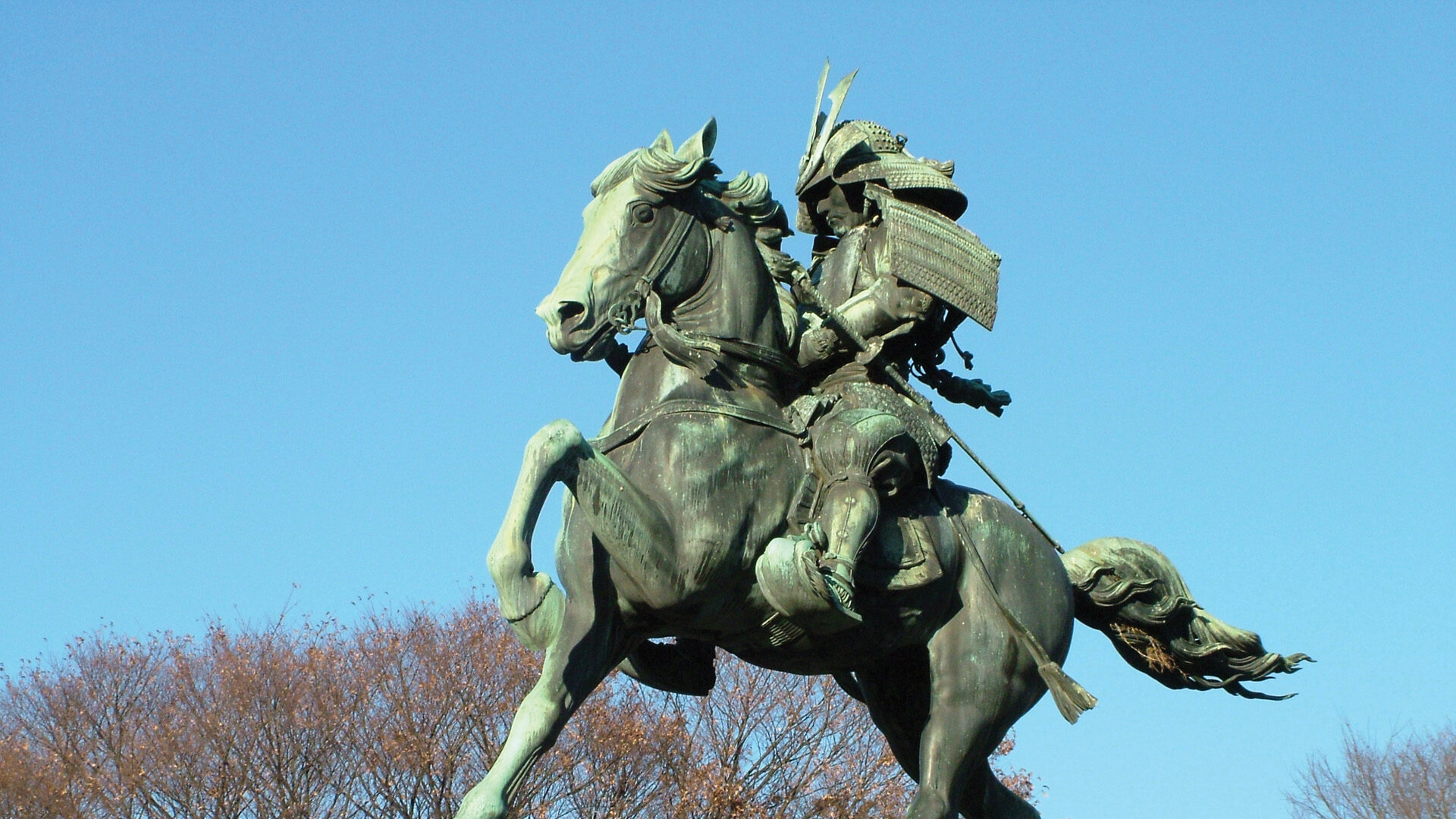
⭢ Period: Kamakura period, 1294-1336.
⭢ Military achievements: the defense of Chihaya fortress against vastly superior forces, then his final battle at Minato-gawa.
⭢ History: Kusunoki Masashige is known not only as a warrior but as an absolute model of loyalty. He supported Emperor Go-Daigo against the shogunate and waged an extremely skillful war of resistance. His defense of Chihaya became one of the most famous military episodes in medieval Japanese history. When the situation turned, he advised a cautious strategy, but the emperor imposed an unfavorable battle on him. Masashige nevertheless obeyed, fought to the end, and took his own life rather than be captured. It is this unwavering loyalty that made him one of the major symbols of the samurai ideal.
3. Oda Nobunaga
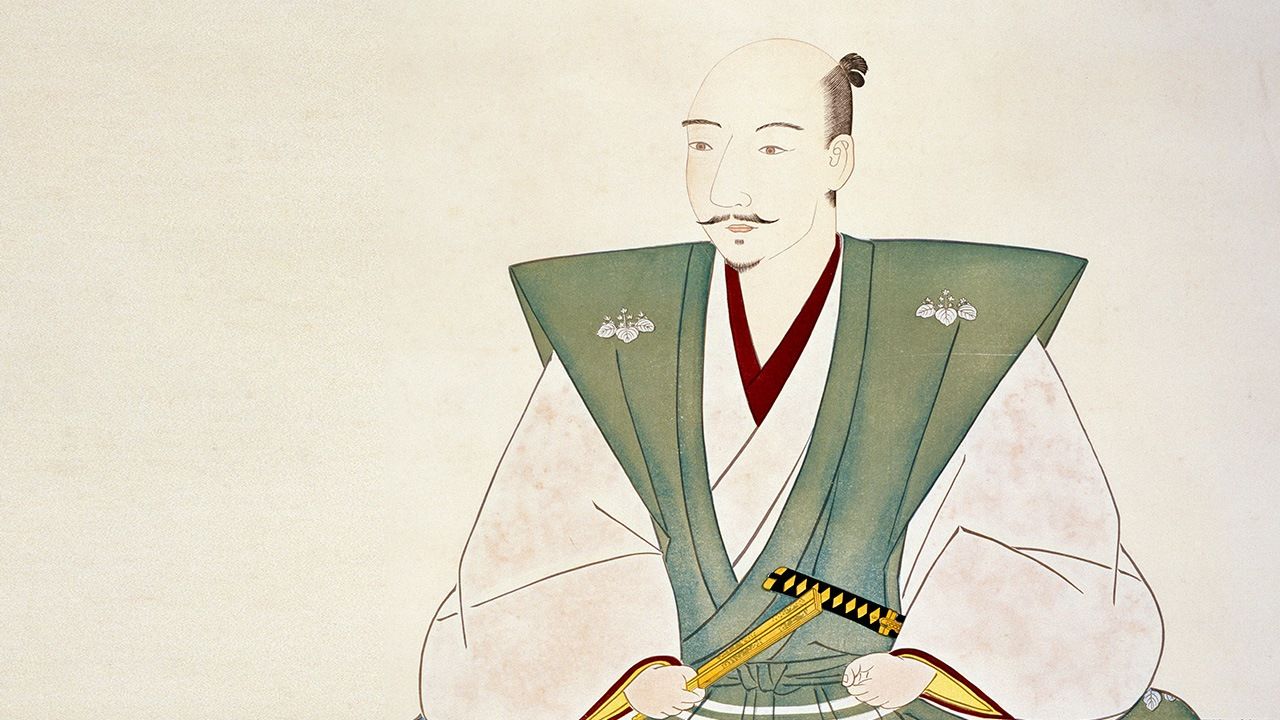
⭢ Period: Sengoku period, 1534-1582.
⭢ Military achievements: the fall of the Ashikaga shogunate in 1573, the expansion of his power over a large part of central Japan, and the innovative use of firearms in his campaigns.
⭢ History: Nobunaga is the figure who shattered the old order. A feared warlord, he methodically advanced towards the unification of the country and overthrew the last Ashikaga shogun. His name remains associated with a more modern, brutal, and ambitious way of waging war. He did not just win battles: he changed the political balance of Japan. In 1582, when he seemed close to completing his work, he was betrayed by Akechi Mitsuhide at Honnō-ji Temple and died in Kyoto. Even unfinished, his actions prepared for the unification of Japan better than almost any other warlord.
4. Takeda Shingen
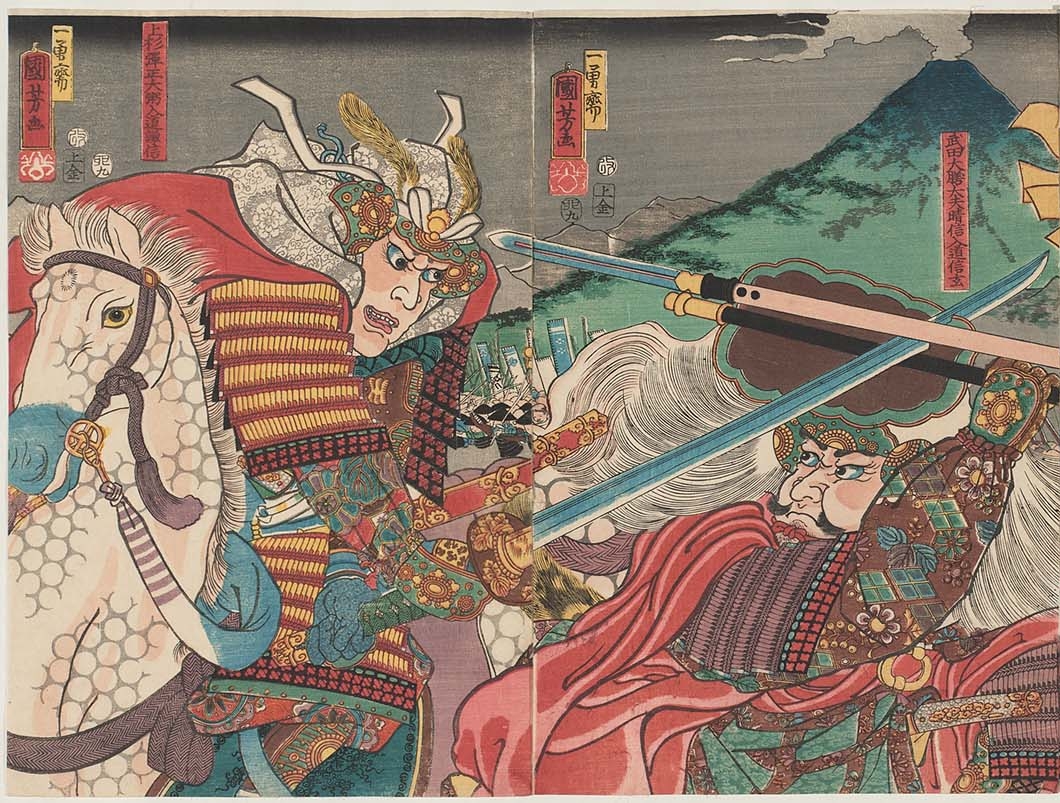
⭢ Period: Sengoku period, 1521-1573.
⭢ Military achievements: his campaigns for control of eastern Japan, his long rivalry with Uesugi Kenshin, and his victory against an army led by Tokugawa near Hamamatsu in 1573.
⭢ History: Takeda Shingen is one of the greatest military strategists of feudal Japan. He took leadership of the Takeda clan, extended his power beyond Kai, and established himself as an essential warlord of the 16th century. His rivalry with Uesugi Kenshin became legendary and is a must-mention in any history of samurai. His reputation rests as much on his discipline as on his tactical genius. At a time when Nobunaga and Ieyasu were gaining power, Shingen still posed a real threat to them. His death in 1573 ended the trajectory of a man who might have been able to upset the ongoing unification.
5. Uesugi Kenshin
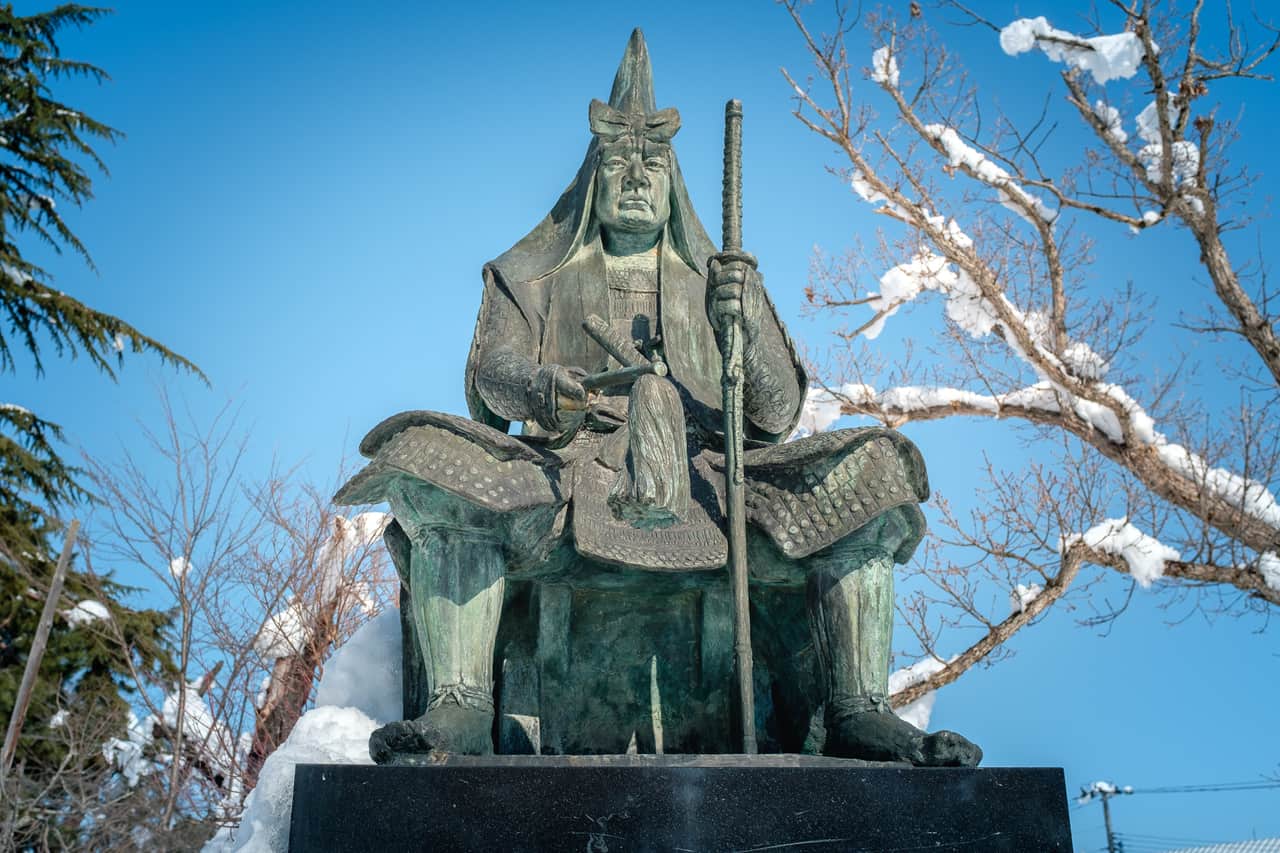
⭢ Period: Sengoku period, 1530-1578.
⭢ Military achievements: his repeated clashes with Takeda Shingen and his rise to become one of the greatest military leaders of the 16th century.
⭢ History: Uesugi Kenshin is the other great name inextricably linked to the Japanese civil war. Born Nagao Torachiyo, he first restored the authority of his house before being adopted into the Uesugi line. His ascent was rapid, and he became one of the most powerful warriors in Kantō. His battles against Takeda Shingen did not result in a definitive victory, but their rivalry alone was enough to cement their place in legend together. Towards the end of his life, he even appeared as one of the few men capable of standing up to Oda Nobunaga. His death before the great final confrontation reinforced his aura as an undefeated leader in the collective imagination.
6. Hattori Hanzō

⭢ Period: Sengoku period, c. 1542-1596.
⭢ Military achievements: his service to Tokugawa Ieyasu, escorting Ieyasu through the Iga mountains after the 1582 crisis, and the legacy left in Edo with Hanzōmon.
⭢ History: Hattori Hanzō is the perfect meeting point between history and myth. Historically, he served Tokugawa Ieyasu and is associated with a decisive mission: guiding his lord through dangerous territory after the shock caused by Nobunaga's death. His memory is also enshrined in Tokyo itself, as the Hanzōmon gate is named after him and his lineage. Local traditions also depict him as a great spearmen, and his tomb is in Sainen-ji. But what made him immortal is above all the fusion of the loyal samurai with the figure of the legendary ninja. Hanzō thus transcends strict history to become one of the most recognizable Japanese names worldwide.
7. Tokugawa Ieyasu
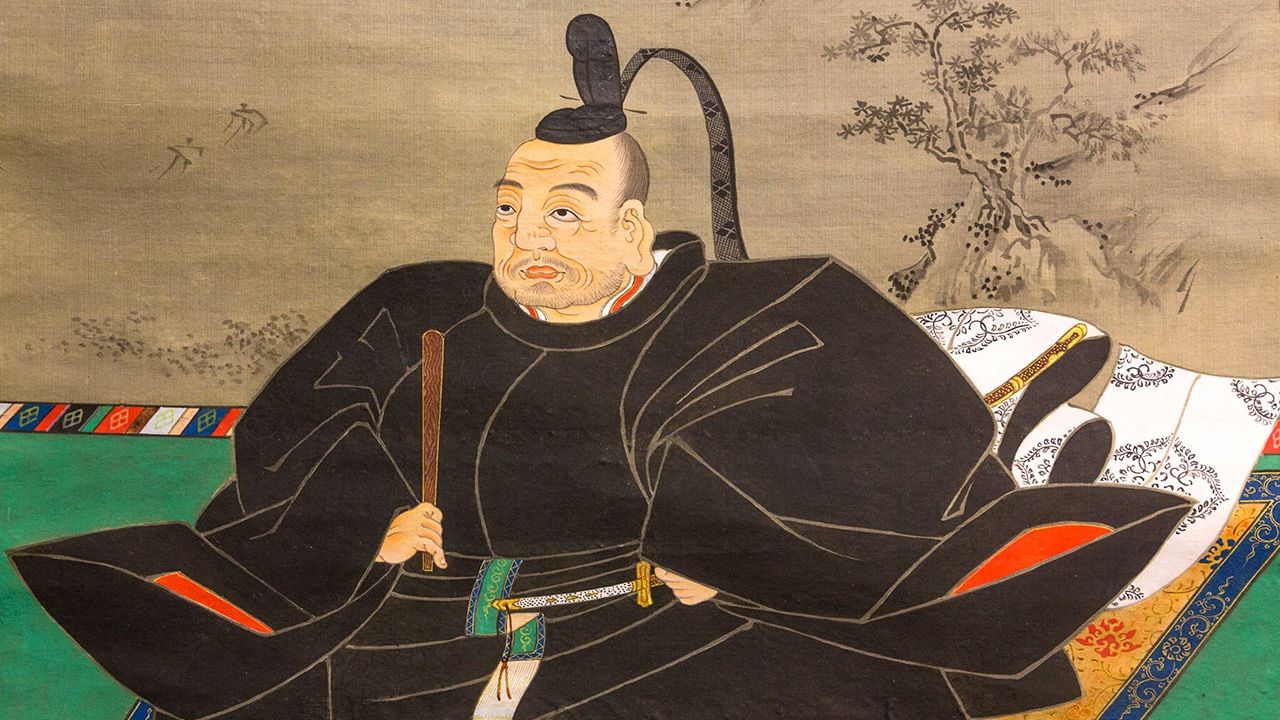
⭢ Period: late Sengoku and early Edo, 1543-1616.
⭢ Military achievements: the victory at Sekigahara in 1600 and the founding of the Tokugawa shogunate in 1603.
⭢ History: Ieyasu is less a romantic hero than a patient builder, which makes him equally famous. An ally and survivor of the great upheavals of the Sengoku period, he bided his time while Nobunaga and Hideyoshi revolutionized the country. The Battle of Sekigahara finally gave him the decisive advantage and laid the foundations for Tokugawa power. Three years later, he became shogun and permanently established his government in Edo. His regime would control Japan until 1868, which alone explains the immensity of his legacy. In Japanese memory, Ieyasu embodies the samurai who wins not through brilliance, but through endurance, prudence, and political vision.
8. Date Masamune
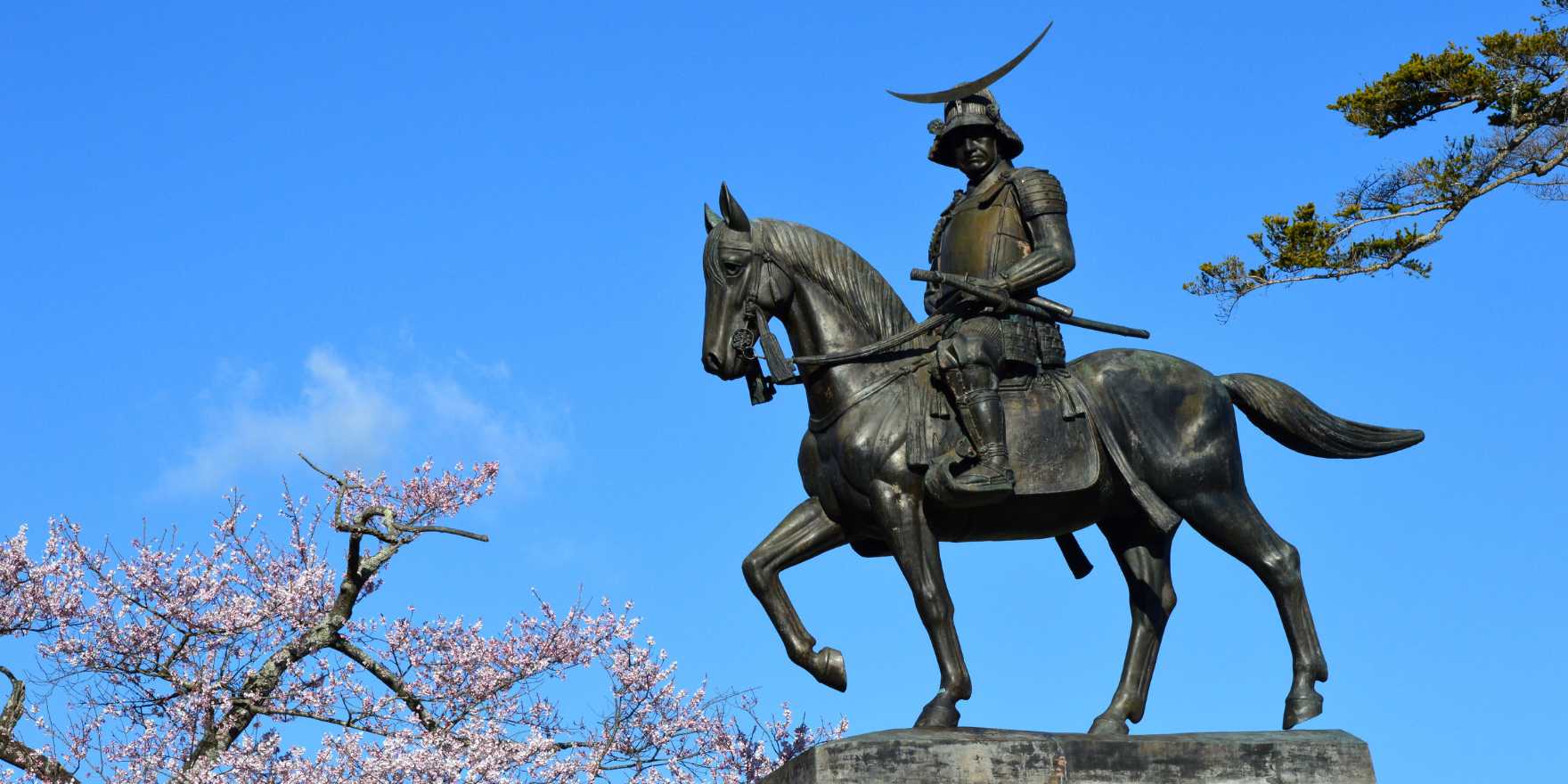
⭢ Period: late Sengoku and early Edo, 1567-1636.
⭢ Military achievements: his rise as a great lord of Tōhoku, the founding of Sendai from 1600, and the enduring image of the "One-Eyed Dragon" linked to his appearance and armor.
⭢ History: Date Masamune is one of the most visually recognizable samurai, which accounts for part of his fame. A powerful lord of the North, he navigated the end of the Sengoku period and managed to remain an important player in the new Tokugawa order. In 1600, he initiated the construction of Sendai and laid the foundations of the city. His prestige comes not only from his campaigns: he is also remembered as a refined, ambitious, and politically skilled figure. His crescent moon helmet and his lost eye transformed his image into an icon. He is the quintessential great daimyō who became a legendary figure.
9. Sanada Yukimura

⭢ Period: late Sengoku, 1567-1615.
⭢ Military achievements: his resistance at the Siege of Osaka and his major role in defending the Toyotomi camp.
⭢ History: Sanada Yukimura is often presented as the last great hero of the Sengoku period. Historically known as Nobushige, he primarily entered posterity under the name Yukimura, popularized later. His legend ignited during the Siege of Osaka, where he became one of the main defenders of the Toyotomi camp against the Tokugawa. The image of the "Red Warrior," determined to the end, strongly impacted Japanese culture. His reputation is such that he became a central character in countless stories, games, and adaptations. Where Ieyasu represents the victory of established power, Yukimura represents the panache of the last stand of the samurai.
10. Miyamoto Musashi

⭢ Period: early Edo period, 1584-1645.
⭢ Military achievements: over 60 duels won according to tradition, his mythical battle against Sasaki Kojirō in 1612, and the writing of the "Book of Five Rings."
⭢ History: Musashi concludes this list of the most renowned samurai because he transcends the role of a warlord to become the absolute samurai in the global imagination. After Sekigahara, he led the life of a rōnin, sought martial perfection, and forged his own two-sword style. His victory against Sasaki Kojirō on Ganryujima island is almost enough on its own to sustain his legend. But Musashi remained not only a duelist: he also became a thinker, an artist, and an author. His "Book of Five Rings" extended his fame far beyond Japan and the martial world. When many think "samurai," it is still often his face they imagine.